Source Multi-Language Touch Screen Kiosk for Retail, Bus, and Indoor
Source 30 Multi-Language Touch Screen Kiosk units with customizable options for retail, bus, and indoor applications. Buyers can compare specifications including OS support, screen technology, and connectivity features from verified suppliers in Guangzhou and Fujian.
Key considerations
Products List


Dual-Customer Screen Business Kiosk with Keyboard and Mouse Accessories
$180.00 - $189.00
MOQ: 1 Pieces

Dual-Customer Screen Aio with NFC-Enabled Business Features and Accessories
$180.00 - $189.00
MOQ: 1 Pieces


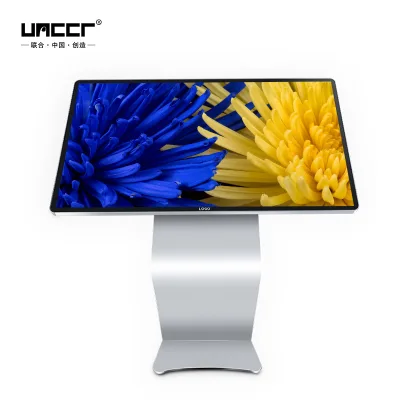
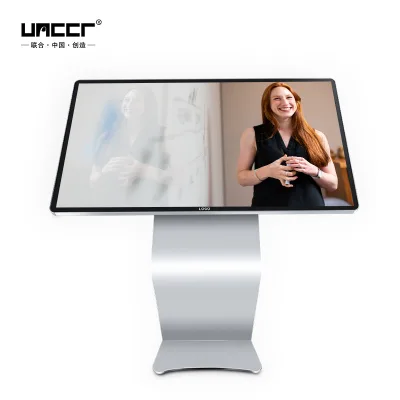

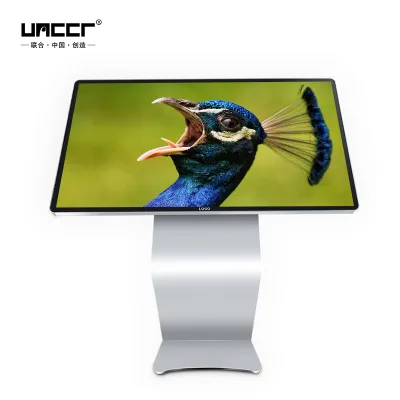


Comprehensive Sourcing Guide
Strategic Sourcing Guide for Multi-Language Touch Screen Kiosks
Understanding the Technical Architecture of Modern Kiosks
When sourcing a multi-language touch screen kiosk, buyers must first distinguish between the underlying hardware categories that define the device's capabilities. The market currently presents distinct product profiles, ranging from industrial data acquisition units to specialized digital signage and self-service terminals. A critical observation in the current supply landscape is the variation in operating systems. Some units are engineered with Windows Mobile environments, while others utilize Android platforms. This distinction is paramount for software integration, as the choice of OS dictates the compatibility with existing enterprise resource planning (ERP) systems or custom applications.
The display technology is another fundamental technical specification. Most modern units in this category utilize LCD screen technology with capacitive touch interfaces. Capacitive touch screens offer a responsive user experience, essential for high-traffic environments where durability and speed of interaction are required. The resolution for these units typically targets Full HD standards, specifically 1920 x 1080 pixels, ensuring that multi-language text and graphical interfaces remain crisp and legible. For applications requiring outdoor or semi-outdoor deployment, brightness levels are a critical metric. Standard indoor units may suffice with lower luminance, but units designated for bus, car, or semi-outdoor advertising players often require brightness ratings around 300 nits to remain visible under ambient light conditions.
Connectivity and data transmission capabilities further define the utility of the kiosk. The supply chain offers devices with wireless data collector signal transmission, which is vital for real-time inventory or queue management. Furthermore, network flexibility is a key differentiator. Standard configurations often include WiFi and LAN connectivity as default features, with optional upgrades for 3G or 4G modules to ensure connectivity in remote or mobile locations. The presence of external interfaces such as USB, VGA, and HDMI allows for versatile integration with peripherals like barcode scanners, receipt printers, or currency detectors. For instance, specific models are equipped with 80mm thermal receipt printers and 2D QR code scanners, making them suitable for retail or service-oriented applications.
Compliance and Certification Verification Protocols
In the B2B procurement of electronic kiosks, verifying compliance with international safety and environmental standards is non-negotiable. Buyers must treat certification claims as observations that require validation against the specific unit's documentation. The current market data indicates a prevalence of certifications including CE, GS, CCC, and ISO. These marks suggest adherence to European safety standards (CE), German safety standards (GS), Chinese compulsory certification (CCC), and international quality management systems (ISO). Additionally, RoHS (Restriction of Hazardous Substances) is frequently cited, indicating that the device manufacturing process complies with environmental directives regarding the use of hazardous materials.
However, buyers should not assume that every listed product satisfies all certification requirements. The specific certification profile can vary by model and origin. For example, units originating from Guangzhou may carry a specific set of certifications compared to those from Fujian. It is the procurement team's responsibility to request the actual test reports and certificates for the specific model number being purchased, rather than relying on general category descriptions. The "Look at product size" standard mentioned in some specifications implies that physical dimensions and safety clearances may also be subject to specific regional standards that need verification.
Furthermore, the software environment must be evaluated for compliance. While hardware certifications cover physical safety, the operating system support—ranging from Windows 7, 8, and 10 to Android, Ubuntu, and Linux—must be verified for security updates and licensing validity. A kiosk running an outdated OS version, such as Windows 7, may pose security risks in a connected enterprise environment. Buyers should verify that the supplier can provide a version of the OS that meets their specific security protocols and that the device supports the necessary multi-language drivers without compromising system integrity.
Cost Drivers and Pricing Structure Analysis
The pricing structure for multi-language touch screen kiosks is highly variable, influenced by a complex matrix of specifications and customization levels. The observed market price range spans from approximately $88 to $10,000 USD. This wide disparity is not arbitrary but reflects the significant differences in hardware quality, screen size, and functional complexity. Entry-level units, often smaller in size and lacking advanced features like built-in printers or ruggedized casings, sit at the lower end of this spectrum. Conversely, high-end all-in-one units, such as 32-inch dual-side touch screen self-service terminals, command prices at the upper limit due to their dual-display capabilities and robust industrial-grade components.
Customization is a primary cost driver in this sector. The availability of OEM/ODM services allows buyers to tailor the appearance, color, and interface of the kiosk to their brand identity. However, these customizations, which may include specific packaging requirements like wooden cases versus standard cartons, inevitably add to the unit cost. The memory and storage configuration also directly impact pricing. Units with 4GB RAM and 128GB SSD storage are priced differently than those with 2GB RAM and 16GB storage. Buyers must carefully balance their budget against the necessary performance metrics to avoid over-specifying or under-specifying the hardware.
Minimum Order Quantity (MOQ) is another financial consideration. The observed MOQ range is between 1 and 2 units, suggesting that suppliers are flexible for pilot programs or small-scale deployments. However, larger orders may unlock volume discounts that are not immediately visible in the listed price range. Buyers should also consider the total cost of ownership, which includes the cost of optional accessories like remote controls, 3G/4G modules, and specific interface cables. While the base unit price is a starting point, the final invoice will reflect the cumulative cost of all selected options and the specific packing requirements, such as PE bags with pearl cotton and carton boxes with handles, which protect the device during international shipping.
Typical Applications and Deployment Scenarios
The versatility of multi-language touch screen kiosks allows them to serve a diverse array of industries. One prominent application is in the realm of queue management systems. These kiosks function as the interface for queuing systems, utilizing graphics display functions to guide users through service processes. They are specifically designed for indoor usage, where they can manage customer flow in banks, hospitals, and government service centers. The integration of data collectors with wireless signal transmission enables real-time updates to the queue status, improving operational efficiency.
Digital advertising and information dissemination represent another major use case. The "Type: Touch Screen Panel AD Player" category indicates a strong focus on media playback. These units are deployed in bus and car advertising players, as well as indoor and semi-outdoor advertising locations. The ability to support multi-language content is crucial for these applications, ensuring that information is accessible to a global or diverse local audience. The remote control capabilities, which can be managed via USB, projection playback, or a CMS (Content Management System), allow for centralized control of content across multiple locations.
Industrial and retail environments also leverage these kiosks for specific data acquisition tasks. The "Industrial Data Acquisition" and "Rfid Data Acquisition" types highlight their utility in supply chain management and inventory tracking. In retail settings, the inclusion of POS device holders, barcode scanners, and built-in thermal receipt printers transforms the kiosk into a self-service checkout station. The currency detector, utilizing laser detection principles for anti-filling detection, adds a layer of security for transactions involving cash. The installation method, typically vertical, ensures a compact footprint that fits well in high-traffic corridors without obstructing movement.
Supplier Evaluation and Sourcing Strategy
Evaluating suppliers for multi-language touch screen kiosks requires a rigorous approach to verifying their capabilities and reliability. Buyers should prioritize suppliers who demonstrate transparency regarding their product origins. The market data indicates production hubs in Guangzhou and Fujian, China. While these regions are known for electronics manufacturing, buyers must verify the specific factory credentials and production capacity. A supplier's ability to offer customization, such as appearance color options and specific interface configurations, is a strong indicator of their flexibility and technical competence.
The packaging and logistics capabilities of the supplier are also critical indicators of quality. The observed packaging methods range from simple PE bags with pearl cotton to robust wooden cases. The choice of packaging often reflects the supplier's understanding of the product's fragility and the shipping conditions it will endure. A supplier that offers sturdy packaging with handles, such as the PE Bag+Pearl Cotton+Carton Box configuration, demonstrates a commitment to product safety during transit. Buyers should inquire about the lead times associated with different packaging options, as custom packaging may require additional production time.
Furthermore, the warranty terms provided by the supplier are a key metric for risk assessment. A standard warranty period of 1 year is observed in the market, but buyers should negotiate terms that align with their operational needs. The supplier's support for the operating system, including updates and troubleshooting for Windows, Android, and Linux environments, is equally important. A supplier that offers comprehensive technical support and clear documentation for multi-language setup will significantly reduce the operational burden on the buyer's IT team. Buyers should also verify the supplier's track record in handling OEM/ODM projects to ensure they can meet specific branding and functional requirements.
Quality Control and Long-Term Procurement Considerations
Implementing a robust quality control (QC) process is essential for ensuring the longevity and reliability of multi-language touch screen kiosks. Buyers should establish clear acceptance criteria based on the technical specifications provided. This includes verifying the resolution, touch responsiveness, and brightness levels against the stated 1920 x 1080 and 300 nits benchmarks. For units intended for outdoor or semi-outdoor use, additional testing for weather resistance and thermal stability is recommended. The integration of components like the 80mm thermal receipt printer and 2D QR scanner should be tested for seamless operation under various load conditions.
Long-term procurement considerations extend beyond the initial purchase to include maintenance and scalability. The modular nature of these kiosks, with options for 3G/4G upgrades and external interface additions, suggests that they should be scalable. Buyers should evaluate the supplier's ability to provide spare parts and replacement modules, such as touch screens or power supplies, to minimize downtime. The support for multiple operating systems also offers a degree of future-proofing, allowing the kiosk to be reprogrammed or upgraded as software requirements evolve.
Finally, the environmental impact and disposal of these units should be considered. The presence of RoHS certification is a positive indicator, but buyers should also inquire about the supplier's end-of-life recycling programs. Given the electronic components involved, proper disposal is crucial for compliance with environmental regulations. By focusing on these long-term factors, buyers can ensure that their investment in multi-language touch screen kiosks delivers sustained value and operational efficiency over the device's entire lifecycle.
FAQs
What certifications do multi language touch screen kiosks typically have?
These kiosks commonly carry CE, GS, CCC, ISO, and RoHS certifications. Buyers must verify that specific models match these standards, as certification profiles can vary by product origin and manufacturer.
Which operating systems support these industrial data acquisition units?
The units support Windows Mobile, Android, Windows 7, 8, 10, Ubuntu, and Linux systems. Software integration depends on the specific OS version selected for the device.
Can I customize the appearance and color of the kiosk?
Yes, customization is available for appearance color and interface design. OEM and ODM services allow buyers to tailor the unit to their brand identity, often affecting the final price.
What is the typical price range for these self-service terminals?
Prices range from 88 to 10,000 USD depending on specifications. Entry-level units are cheaper, while high-end models with dual screens and advanced features command higher costs.
How does the wireless data collector function in queue systems?
The data collector uses wireless signal transmission for real-time updates. This feature is essential for managing indoor queue systems and ensuring accurate customer flow tracking.
What are the minimum order quantities for purchasing these devices?
The minimum order quantity ranges from 1 to 2 units. This flexibility allows for small pilot deployments, though larger orders may unlock volume discounts.
Which locations are the primary manufacturing hubs for these products?
Products originate primarily from Guangzhou and Fujian in China. Buyers should verify the specific factory location for each model to ensure compliance with regional standards.